So, where do you start? As a small business owner looking to improve your online presence, you've heard of SEO, social media marketing, and website optimization, but the options are overwhelming, making it hard to decide what's right for your business. So, how do you determine the best strategy for your company, and what kind of results can you expect?
Identify Your Target Market
First and foremost, for any business, you have to determine your target market to understand who you're trying to reach and how competitive it is to do so. What are your competitors doing, and how are they doing it? What does their online presence look like? In other words, find someone to emulate.
Start with a basic search in another city for successful businesses in your market. Find one that makes you think, "wow, I want to be exactly like this; this is how I want to look." This is a great starting point to help you create a plan of action to emulate what they're doing, who they're targeting, and, of course, striving to do it better than they do.
Keep Everything Consistent
Once you get a solid idea of how you want your company to look, consistency is key. This means your company name needs to be as close as possible to, if not exact to, your domain name (.com, .org, etc.). Ideally, this should be your first consideration when deciding on a DBA name.
Everything should sync up as close as possible when filing state and federal formation documents.
Get Listed Everywhere
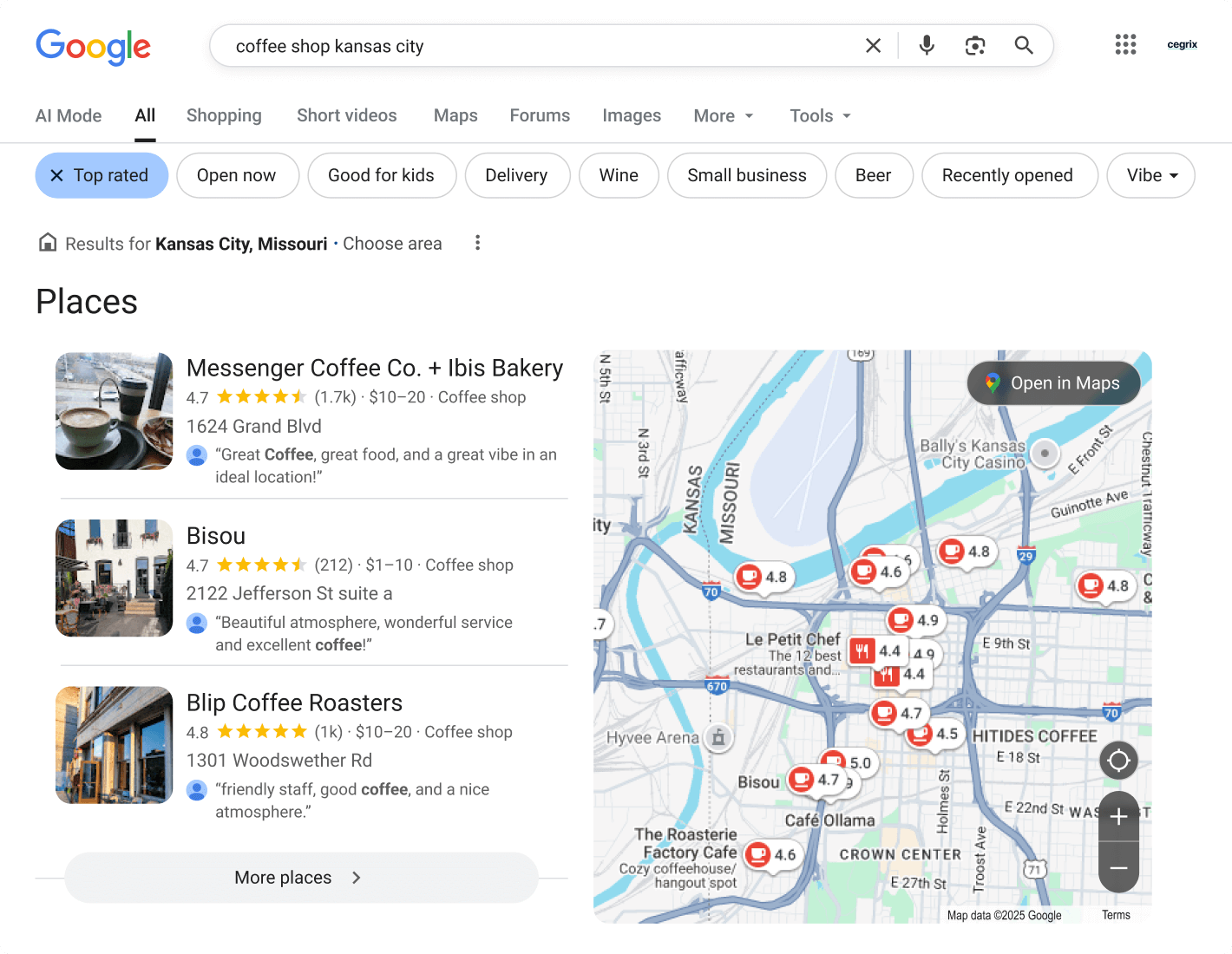
With a solid foundation in place, submit all company information, also known as NAP (Name, Address, Phone), to registries via Yelp, Yellow Pages, etc. And of course, don't forget Google. This tells the world, “Here I am, this is what I do, here’s my phone number, call me!” The most basic fundamental is to put it out there (marketing 101).
It's important to note that you should have ONE single phone number that matches everywhere. Not two, three, or five, and keep track of everywhere it's listed.

Build Out Social Media and Sales Channels
Now it's time to set up your social media accounts and establish sales channels. Again, matching all NAP (name and phone number), especially with your branding. An official logo and brand identity that's clear, concise, scalable, and equally recognizable on a thumbnail or a billboard is crucial.
For example, you don't want your logo looking one way on Facebook and another way on Pinterest. You want the least amount of confusion possible- your brand should be consistent.
Make Your Website the Hub of Everything
A huge part of establishing your digital presence is an official website that serves as your main foundation. In other words, a digital marketing hub that everything points back to. So, for example, your Facebook, Instagram, and website all need to line up and be identical, all pointing to the same website (and phone number).
When running Google ads or posting on social media, second to "call me", your mindset should be (visit my website), to make the call, place the order, submit the request, etc.

Don’t Fall for the “Post Every Day” Myth
When it comes to the actual marketing part on the social media accounts you set up, a lot depends on your industry. That said, we love to argue with a lot of mainstream advice on posting every day.
At Cegrix, we advise otherwise. What many sources fail to mention when providing advice to business owners is ad fatigue. And especially if you're not targeting the right audience, you'll annoy people and drive potential customers away.
Keep in mind that unfollowing, muting, and overall lack of engagement with your brand will easily result in bad rankings on algorithms.
Know Your Niche and Stay Authentic
Again, this comes down to knowing your target market. Notice the trend?
Identify your niche, know who you're trying to attract, and what they want to see. Not just what you think is cool, but understand it from your customer's perspective. Keep in mind that when first starting out, it may start slow, and chances are it will.
One of the most common problems many business owners face is creating a Facebook page, inviting friends and family to like and follow, and that's where it can easily become misleading.
For example, a Facebook post will get good engagement, and from the outside, you think "Wow, I got this," but the problem is, it's not actual customers, it's friends and family, not money in the bank.
This is where nearly all business owners get caught. And if you're not aware of what's really going on, this is exactly how burnout happens: the all-too-famous line, "I post on social media, but it doesn't work." Or, even worse, you hire someone to do it for you, and they simply copy trending content that gets laughs and reactions, but again, no money in the bank.

Focus on Quality Content
So, how do you escape the burnout? First and foremost, let's start with creating quality content.
When it comes to creating content, it needs to be high quality, and this doesn't just pertain to visuals; it's subjective, too. Especially in today's oversaturated, AI-influenced market, where everyone is fighting to be front and center with the latest viral trends, authenticity is becoming the golden standard.
While stock photography can work, it's few and far between, and, most importantly, avoid ripping off random pictures and using anything that's not yours, especially if it's watermarked. Come on, really?
Set a goal of using original content that's fun and engaging, tapping into what your customers want to see. Set aside a budget for a photographer; don't just settle for someone who's great at taking selfies.
Keep in mind, you're in a very crowded market, and all markets these days are oversaturated.
Your ideal customer is on their phone, bombarded with ads, trending reels, and overstimulated by everyone competing for attention. This is where value comes in as a brand: the ability to "stop the scroll" and solve a problem. A value proposition.

Budgeting for Growth
Once your social media is up and running, this is where most business owners start weighing out a budget for advertising. Whether you're tempted to hit the boost now button or hire a professional, it's natural to think about how amazing it would be to advertise for free. But again, don't let the engagement from friends and family fool you.
Think about it, can you really spend nothing, "post every day" and become a millionaire? Let's be real: Zuckerberg has billions for a reason, and in the world of business, it takes money to make money. Advertising platforms, just like banks, want a piece of the pie too.
That said, you should set aside a quarterly or annual budget to determine how much you can spend each month. As business owners, by nature, we default to a conservative spending mindset. Because it's all about making money, not spending it. This leads to the critical question many struggle with, "Does it cost more to do it myself… or is it more cost-effective to hire someone?"
Understanding ROAS (Return on Ad Spend)
Digital marketing is like renting a storefront and putting up a sign on a building. It's all advertising. Yes, it's an investment, but the question is, what does that investment return?
Let’s say you put $1,000 a month into marketing and it brings in an extra $48,000 in revenue for the year. That’s what we call ROAS. It shows the direct return from your advertising efforts.
Here’s the simple breakdown. If that $1,000 you spent this month helped generate $4,000 in new revenue, that’s a 4x ROAS. With a 50 percent profit margin, you’re keeping $2,000 in gross profit. After subtracting the $1,000 you invested, you’ve earned $1,000 in real profit, and over the course of a year, that adds up to $12,000 in additional earnings just from being visible in the right places.
This is the moment marketing clicks for most business owners. When you can clearly see what each dollar is returning, advertising stops feeling like a risk and starts becoming a controlled lever you can use to grow.
Test, Scale, & Stay Balanced
At this point, you should be getting a good idea of what works and what doesn't, and it's time to make crucial decisions based on testing. Should your marketing initiatives be producing strong results, you can now gradually increase your budget to get where you want to go.
However, it's important to keep a balance, always make sure your business can keep up with an influx.

The Bottom Line
Ultimately, as with starting any business, you have to have patience and balance. There's no single trick, no magic pill, and no one-size-fits-all tactic or technique. Always do your homework, be mindful, and determine the best strategy.
Ultimately, the results you get depend on how much you invest. You get out what you put in. If owning a business were really that easy, everyone would be doing it.
Need Help Getting Started?
Have questions about your small business marketing initiatives? Reach out to us today, and we'd love to help you figure out how you can reach your small business goals. Contact us today at 281-940-8650, or shoot us an email at info@cegrix.com.